Inside The Upper Room
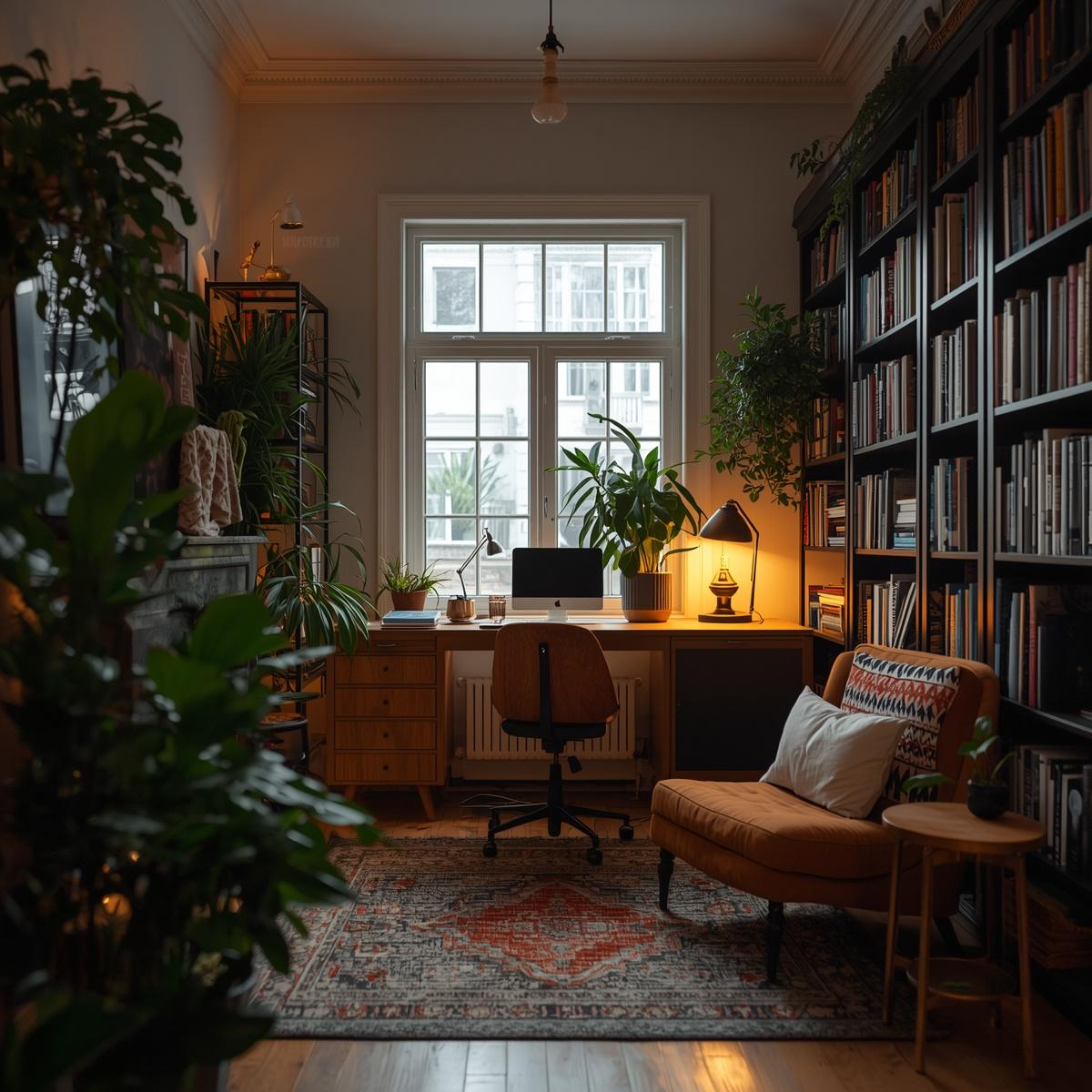
The Upper Room is where we pull it all together. My own journey has taught me that true wellness isn’t found in a single habit, but in the harmony of Mind, Body, and Spirit. This space is a living record of that integration—a place for journey, instruction, and the creative tools we need to thrive.
-
Mind: This is our center for learning, focus, and the creative problem-solving that helps us design a life we love.
-
Body: Dedicated to the physical journey—healthy eating, toxin-free living, and the simple joy of feeling good in your own skin.
-
Spirit: The foundation of it all. Staying close to God, finding inner happiness, and living in the abundance of knowing there is more than enough to go around.
Whether through a video in my kitchen or a downloadable reference list, everything here is designed to help you connect these three pillars in your own home.
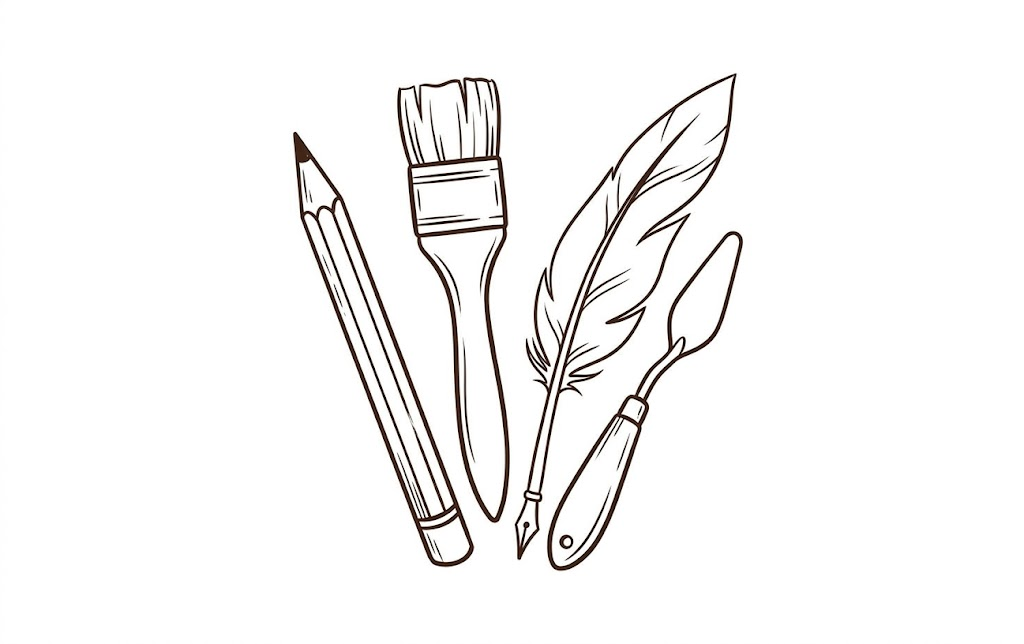
Mind: The Creative Architect
Wellness starts with how we think. This section is about cultivating a focused, creative mind that can solve problems and design a peaceful environment. When your mind is clear and engaged, you have the vision to lead your home with intention rather than reacting to the chaos of the day.
-
Focus: Creativity, Learning, Problem Solving.
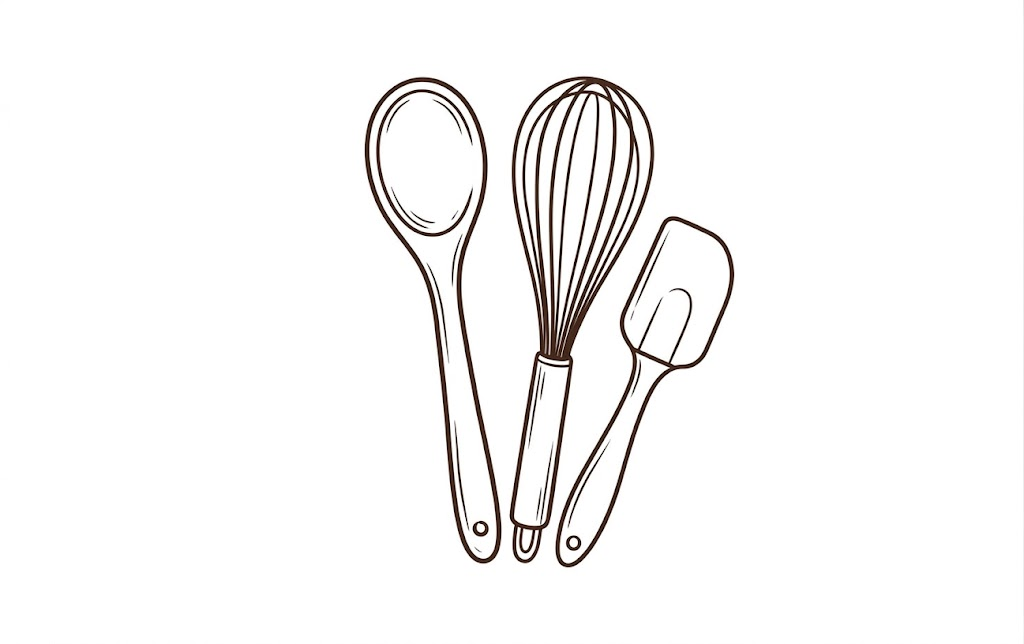
Body: The Living Temple
Your physical health is the engine that allows you to carry out your purpose. Here, we focus on nourishing the body through healthy eating, toxin-free living, and natural home management. By treating your body and home as a sanctuary, you gain the energy and vitality needed to show up fully for your family and your God.
-
Focus: Healthy Eating, Toxin-Free Living, Feeling Good.

Spirit: The Foundational Anchor
This is the “why” behind everything we do. Staying close to God reminds us that we aren’t doing this alone and that happiness starts from within. When your spirit is grounded in faith and abundance, you realize there is always enough to go around, allowing you to lead your home with a heart of peace and generosity.
-
Focus: Faith, Inner Happiness, Spiritual Abundance.
Latest Features
Expert advice and in-depth features for a healthy life
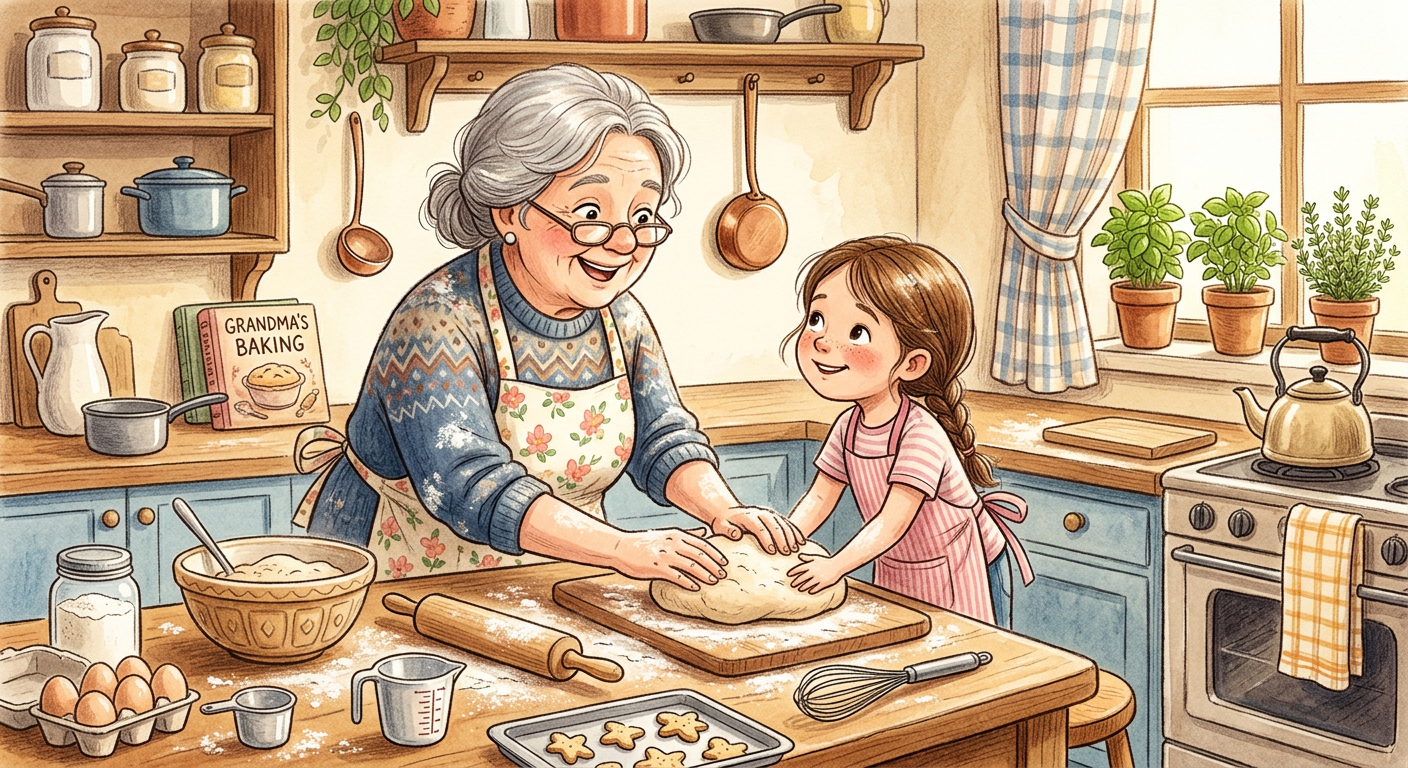
Was there ever a time you wondered why your parents didn’t teach you certain things, and wished they had? Personally, I wish Mom had taught me
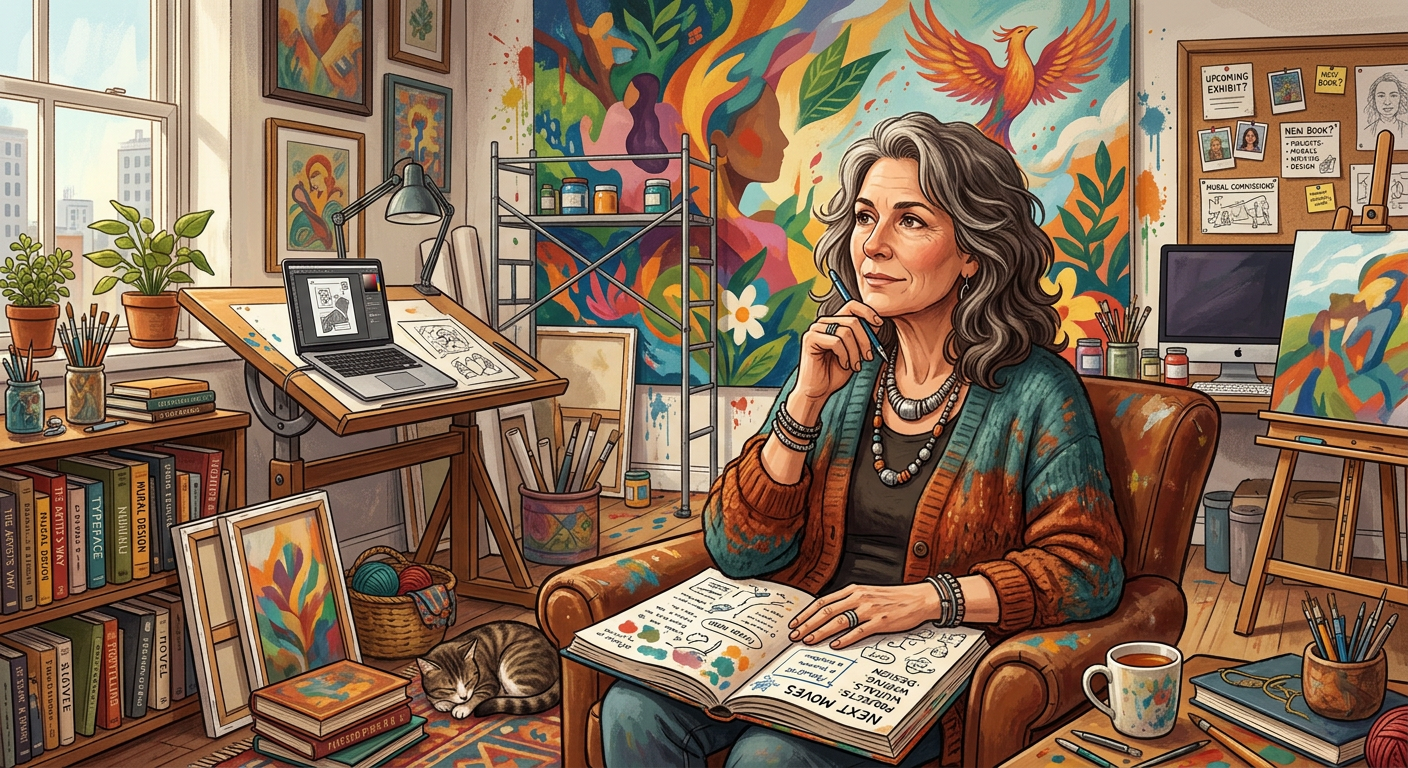
Contemplating the Next Step: Finding Balance in Semi-Retirement There comes a point in everyone's life where it is time to take stock, pivot, and decide on
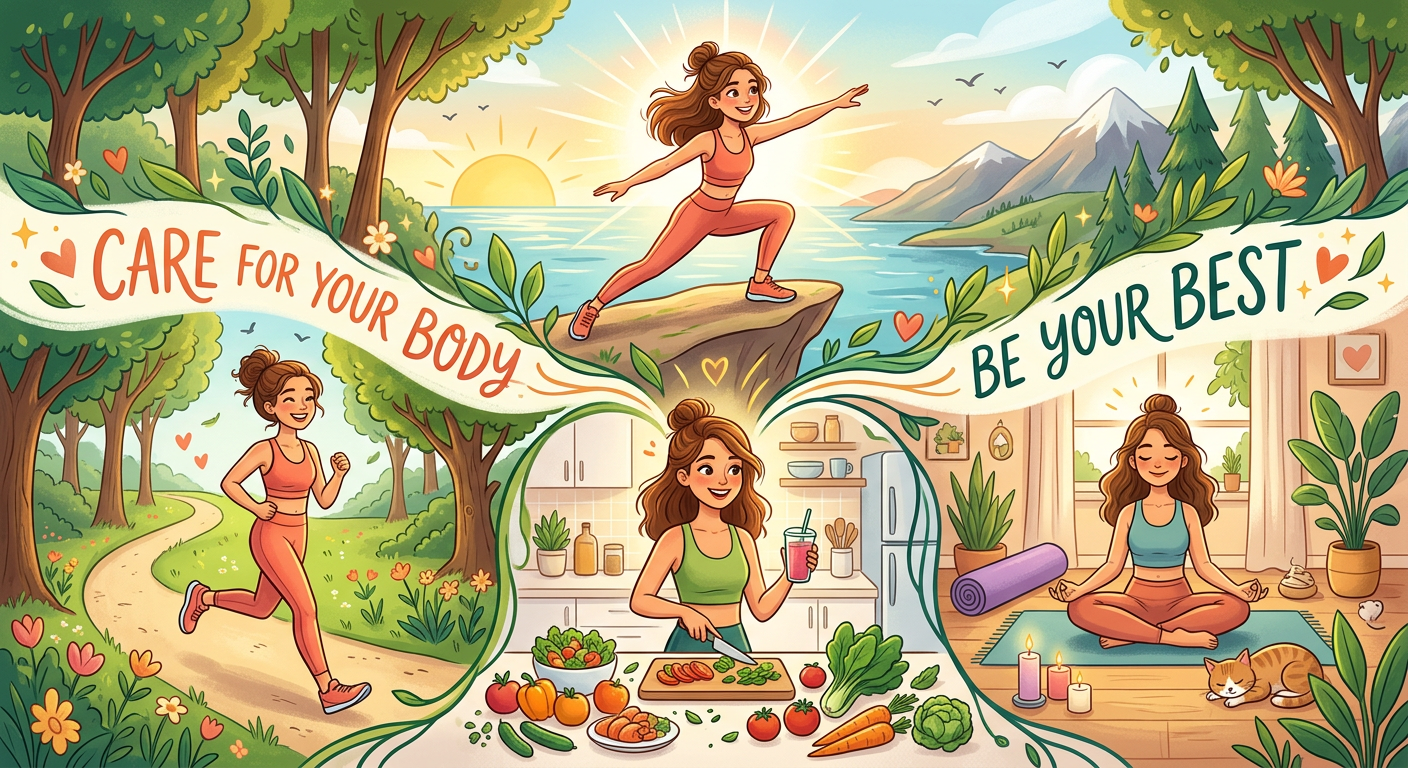
Your Body: The Only Home You’ll Ever Truly Own We often think of our "home" as the four walls around us, but the truth is far

Perspectives on Personal Transformation I had to reach a profound realization about the limits of human effort. There is a certain humility in admitting that willpower
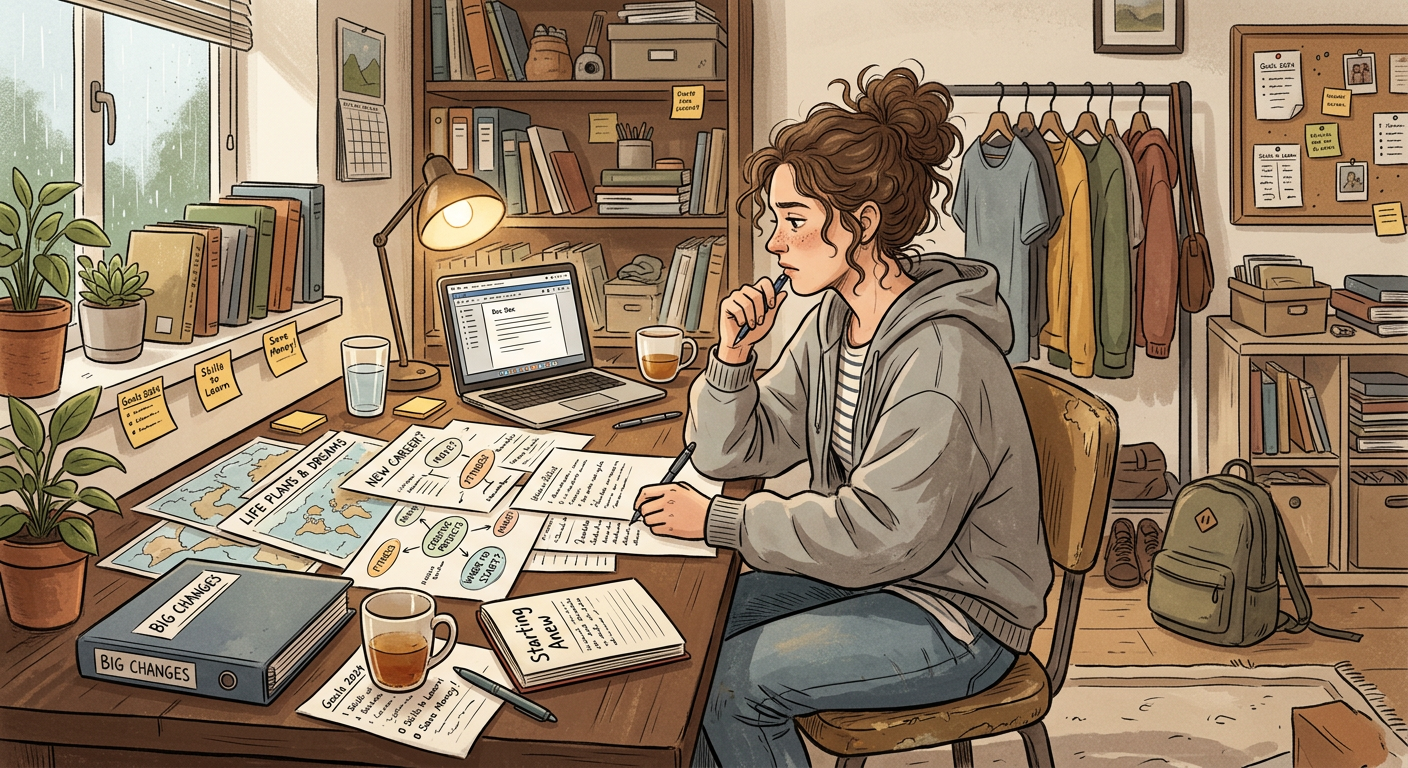
How to Start Moving When You Don’t See the Whole Staircase We often wait for a "lightning bolt" of inspiration to change our lives, but real
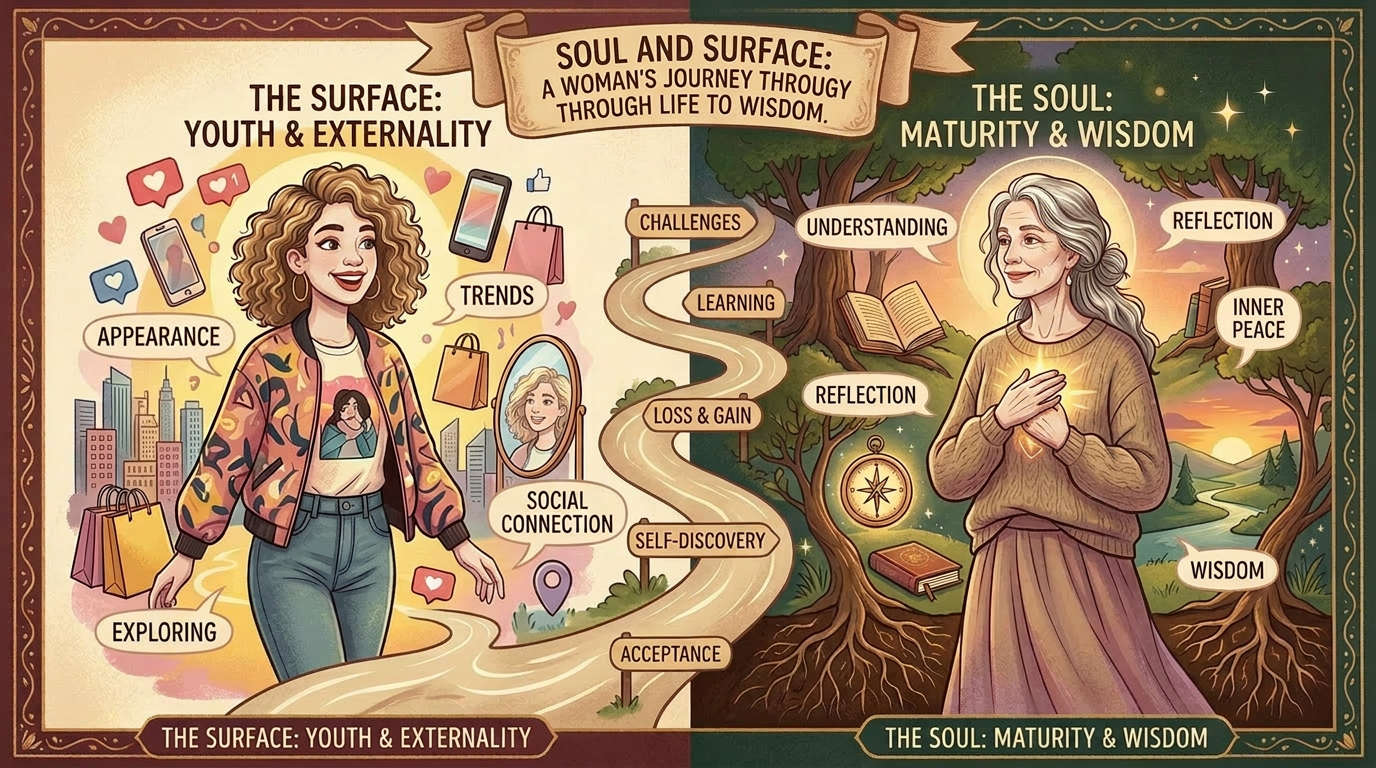
Soul & Surface: My Intentions for a Handcrafted Life At 66 years old, I’ve realized that aging isn't for the faint of heart. It requires
Ask The Researcher
Let’s bring it all together.
“If you have health, you probably will be happy, and if you have health and happiness, you have all the wealth you need, even if it is not all you want. “
“Happiness cannot be traveled to, owned, earned, worn or consumed. Happiness is the spiritual experience of living every minute with love, grace, and gratitude.”
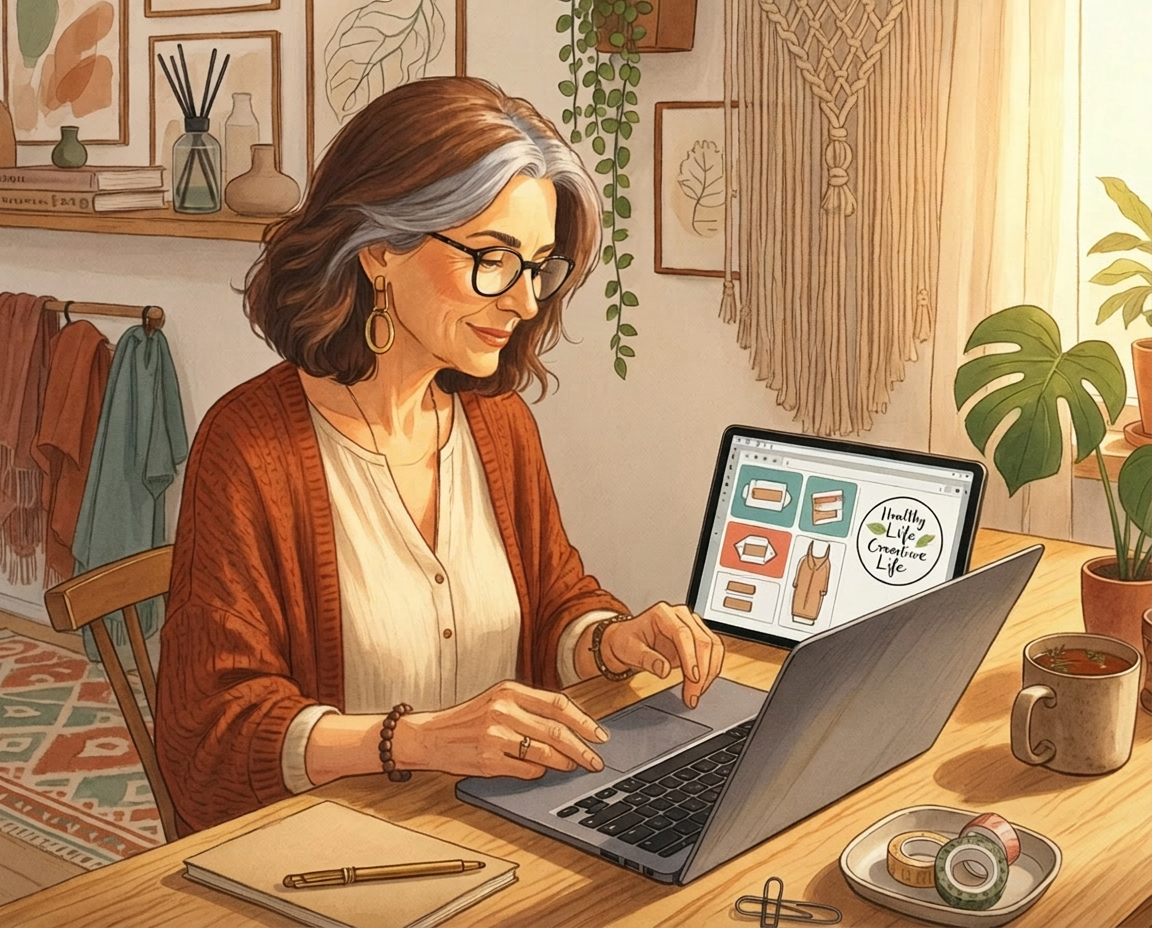
How to Support Healthy Life Creative Life
I hope the stories and resources here bring inspiration and practical value to your life. I’m not here to hand down rigid rules or lecture anyone on “what to do.” Instead, I’m sharing my own life experiences—the victories, the struggles, and what has truly worked for me on this journey. Living a happy, healthy life shouldn’t be an overwhelming uphill battle. When we know better, we do better. We all face challenges, but by looking back to ancient, time-tested wisdom, we can reclaim a healthier way of living together.
Building and maintaining this platform takes a significant investment of time, energy, and technical resources. If you find value in the content here and would like to help keep this independent project growing, there are a few meaningful ways you can support my work:
- Invest in Your Home’s Wellness via Young Living
One of the most impactful ways to support this site is by investing in your own family’s wellness. Transitioning to a non-toxic home can feel daunting, but high-quality essential oils and plant-based products make the journey simple and intentional.
- Explore & Order on Your Own Terms: You can browse the complete line of pure essential oils and wellness products using my Young Living Personal Referral Link. Order exactly what you need, whenever you need it, to support your home transformation.
- Kickstart Your Transition with a Curated Kit: If you aren’t sure where to start, these two foundational kits are designed to replace everyday chemical stressors with natural alternatives. Use promo code SHAREYL at checkout to save 10% on your first order of 50 PV or more:
- Make a Shift Home Kit: Features the plant-based, legendary Thieves home protection products to clean and purify your living spaces safely.
- Make a Shift Daily Wellness Kit: Offers a straightforward daily wellness routine centered around targeted nutritional support and vitality.
Sharing the Journey (Customers vs. Brand Partners): When you set up an account, you have two flexible paths depending on how you want to share these products with others:
- As a Customer: If you love the products and share them with a friend, you can earn 25% of their first order’s PV value back in product credits to spend on your own future wellness orders.
- As a Brand Partner: If you want to turn your passion into a stream of income, you can become a Brand Partner. By sharing your custom link and the SHAREYL discount code, you can give your friends 10% off their first order while earning a 25% Fast Start cash bonus on their PV purchases during their first calendar month.
- Send a Direct Contribution
If you prefer to support the creation of this content directly without purchasing products, simple financial gifts are deeply appreciated and go directly toward covering website expenses and research time. You can find me on Venmo at @Debra-Brading.
- Visit The Marketplace (Coming Soon!)
Keep an eye out for the upcoming launch of our digital storefront. We are currently developing original merchandise, printables, guides, and books designed to give you hands-on tools for your homesteading, gardening, and creative projects.
Thank you so much for being a part of this community and for supporting a handcrafted path to wellness.