We Sold Our Knowledge for Convenience
We Sold Our Knowledge for Convenience
We used to grow up learning skills that prepared us to care for ourselves and our families. From our elders, we absorbed responsibility, manners, simple logic, and common sense. Back then, the community raised children together; neighbors corrected us just as much as our parents did, and no one thought twice about it.
Somewhere along the way, we traded that self-reliance for convenience. Today, we are paying a heavy price for outsourcing our lives, but we can reclaim that lost playbook starting right in our own homes.
The Way We Were: Built for Self-Reliance
I don’t need history books to tell me how common self-sufficiency used to be. I’ve seen pictures of my grandparents’ backyard right after they built their house in town. The entire space, from the back door to the alley, was a thriving cornfield. By the time I was a child, they had built a detached garage, but the garden still claimed every inch of remaining space up to the back door.
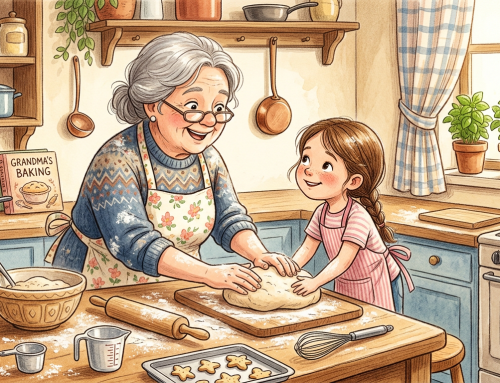
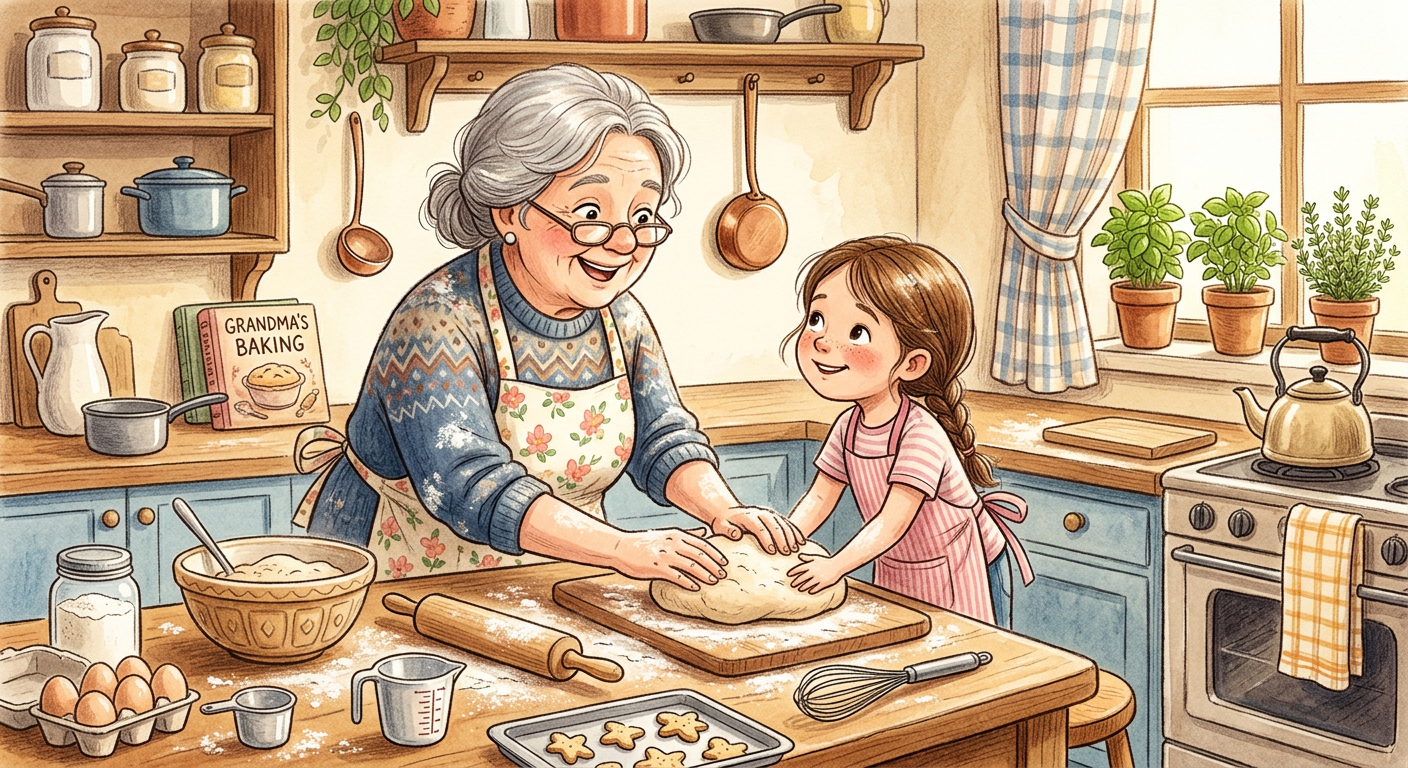
Our homes were classrooms. While my dad had my brothers out in the garage teaching them about cars, engines, and yard work, my mom and grandma had me in the kitchen. Grandma taught me how to darn a sock and bake coffee cake. Mom taught me how to cook just about everything else. Together, they taught me how to clean, keep clothing, sew buttons, mend seams, and iron linens.
Even the house itself was engineered for resilience. Grandpa built dedicated food storage bins in a cool corner of the basement that would make modern pantries cry. They planned ahead for fresh vegetables, canned goods, and herbs. Across the basement wall was the laundry area, where Grandma taught me how to get clothes clean—and how to keep my fingers safe from the automatic wringer.
The Illusion of “The Better Way”
We learned real-world skills that carried us into adulthood. But over the decades, corporate interests stepped in to sell us an easier, faster, cheaper, or supposedly “better” way.
The truth? The only things that actually got better were the bottom lines of the businesses creating the problems just to sell us the solutions. We’ve watched convenience and technology take over what used to be fulfilling to learn and beneficial to experience.
Society convinced women that corporate careers were far more important than tending to the family. When that shift didn’t happen fast enough, inflation made it impossible to survive on a single paycheck, forcing both parents out of the home. But it’s supposed to be okay because we have fast food, fast information, robotic vacuums, AI menus, and DoorDash deliveries, right? All of it designed to give us more time to work just to make ends meet.
Hard stop. We have traded our foundational knowledge for corporate dependency, and as the documentary title perfectly implies, it has left us “Fat, Sick & Nearly Dead.”
The Turning Point: What You Can Do
If you are looking around at the state of the world and asking, “What can I do?”—be prepared to put in the work. Reclaiming your independence takes time, effort, and a willingness to learn.
Grab a notebook and start with these three foundational steps. Get the family involved.
- Clean Up Your Physical Environment
Get your house in order from the inside out. You don’t need a costly remodel; you just need to roll up your sleeves. (Aunt Anna told me once, “It don’t gotta be pretty, but it has to be clean and it has to work.)
- Scrub Top to Bottom: Go room by room—one room a day or week, whatever fits your schedule. Dust and scrub everything from the ceiling down to the floor.
- Purge the Non-Essentials: Remove items that are out of date (food, medicine) or simply don’t belong in that space (like car parts stored in the kitchen).
- Audit Your Labels: As you put each room back together, read the ingredients on your household products. Commit to replacing chemical-laden products with natural alternatives as they run out.
- Vote With Your Wallet
Your money is your voice. Speak loudly to the corporations by changing your spending and consumption habits:
- Refuse Harmful Ingredients: Read every single label and learn what toxic additives to look for.
- Source Locally: Buy cleanly processed meats and heirloom produce (with seeds) from local, reputable farmers wherever possible.
- Learn Pantry Alchemy: Learn how to mix your own household cleaning products using basic pantry staples, and study how to make home remedies for common ailments.
- Master Food Preservation: Learn how to buy produce in bulk and store it properly for months or even years.
- Grow and Save: Learn how to save seeds, even if you don’t have a garden yet. When you are ready, remember that a simple row garden along a fence line can produce an abundance of food for next to nothing.
- Bake Bread: Reclaim the simple, foundational art of baking your own bread from scratch.
- Revitalizing the Community
Learning is the ultimate key. We must intentionally study what a single generation has nearly forgotten. Take it one skill at a time and involve your children in the journey.
There are still enough people around who hold this traditional knowledge and are willing to teach it. As we reclaim these skills, we bring vitality back to our households, our neighborhoods, and our streets. Start at home, get your house in order, and share what works with those around you. That is how we bring communities together, teach children real-world capability, and help adults learn to be self-reliant again.
Related Posts


Sign up with your email for our monthly newsletter with great information and resources to help make your lives a little easier.