The Philosophy of Creative Wellness: Making the Change
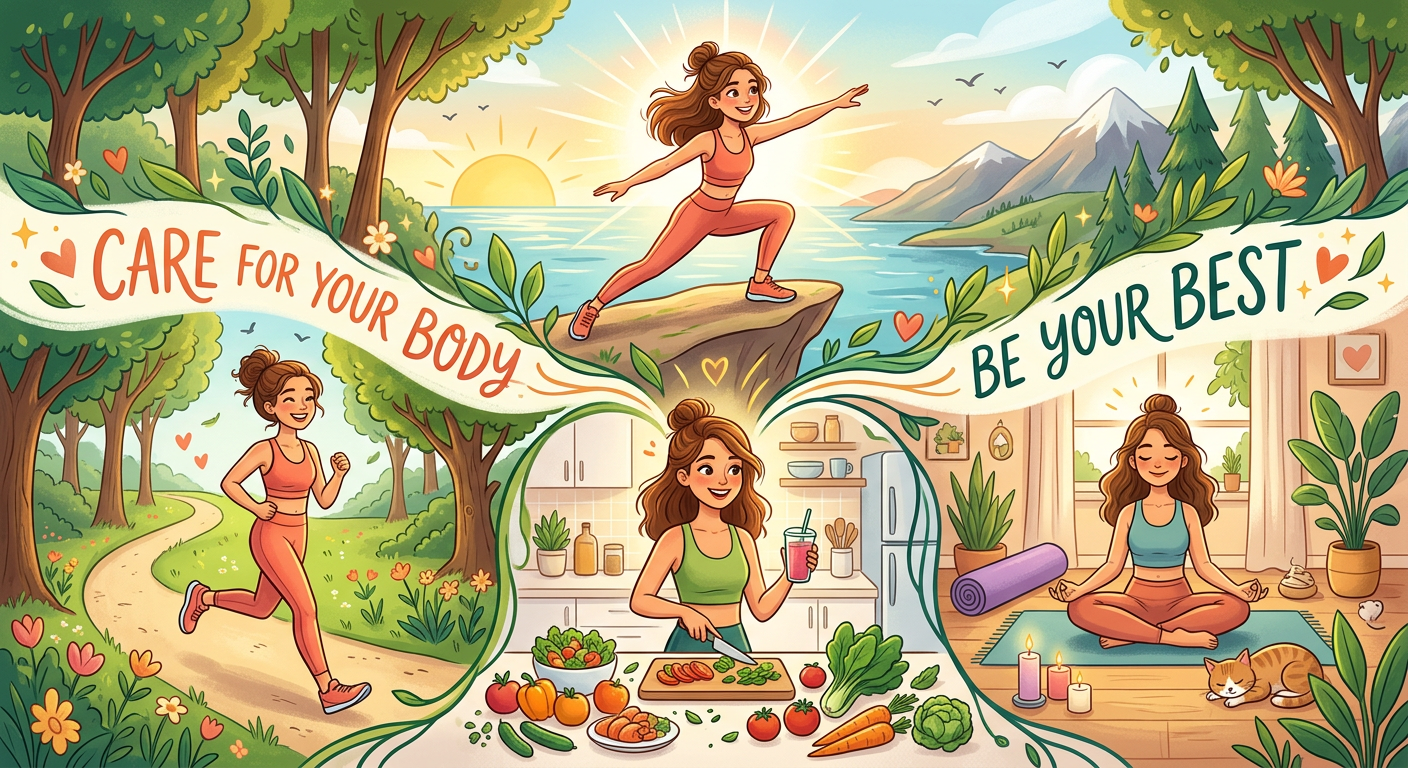
Feeling your best allows you to perform your best.
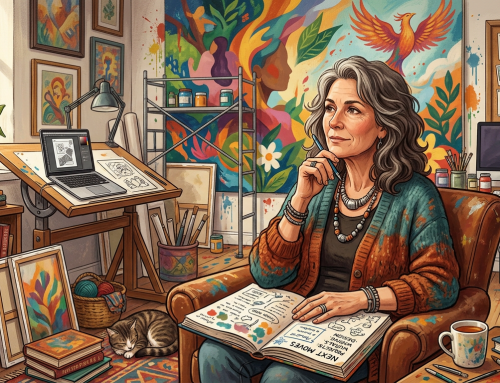
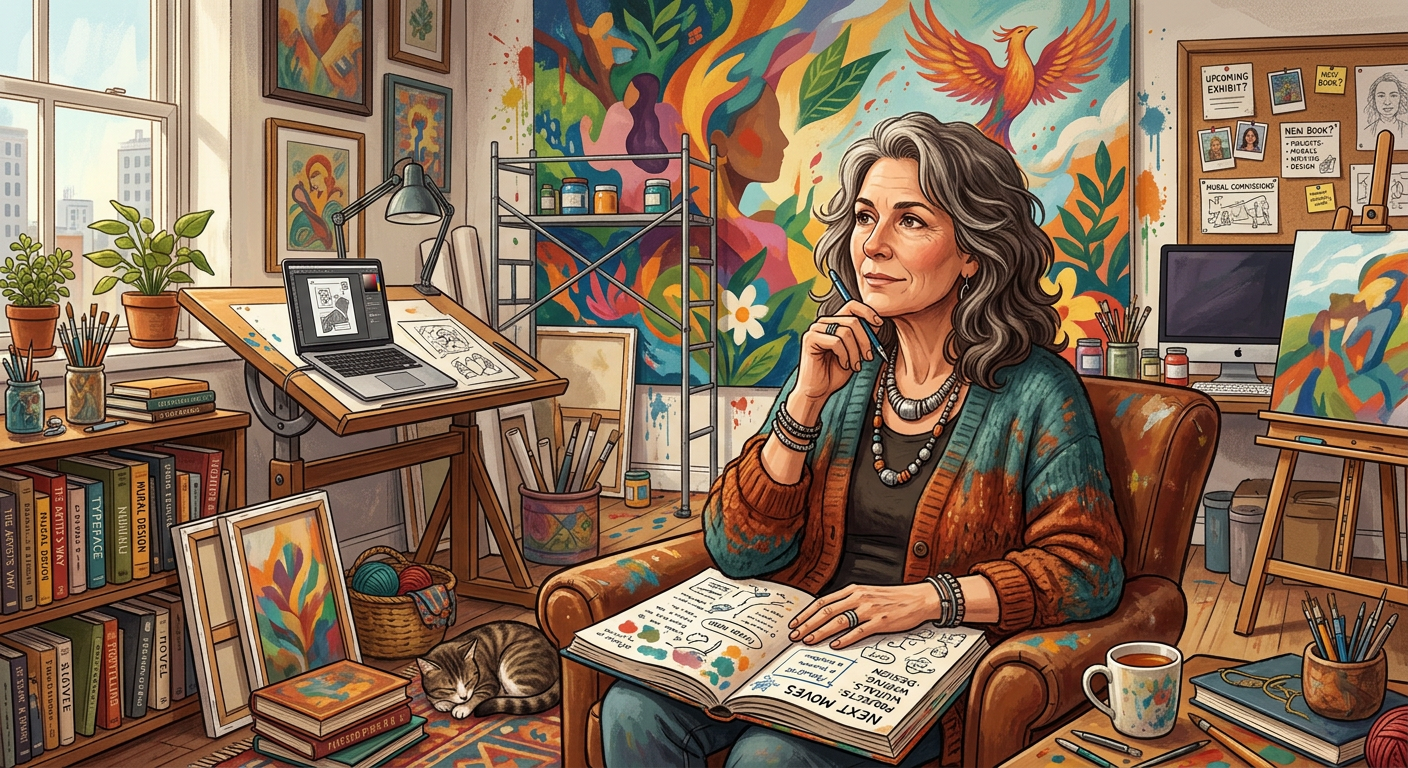
True creativity is not reserved for artists or musicians; it is a tool for life. Whether you are painting a mural, researching a project, or finding the most efficient way to mow the grass, creativity requires a balanced vessel. When your mind, body, and spirit are out of alignment or “grumpy,” your best ideas remain locked away.
- The Spiritual Foundation: My primary goal is to put God at the center of everything I do. When the spiritual foundation is firm, the rest of life finds its rhythm.
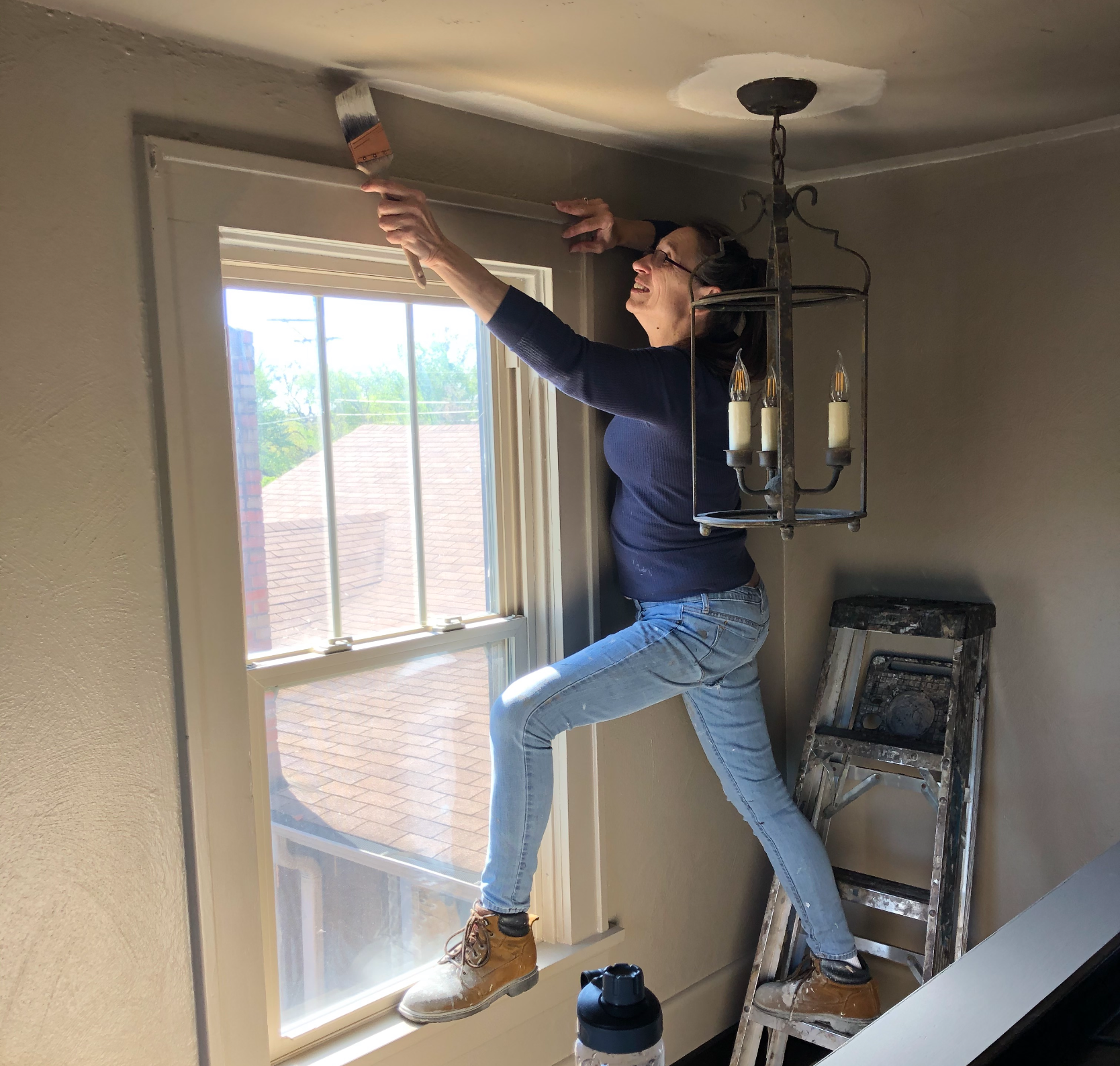
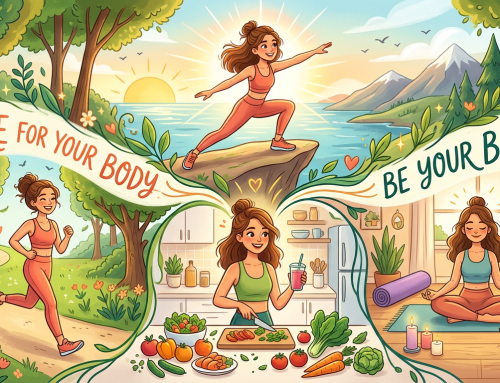
- The Physical Reality: Aging and working a physically demanding job taught me the hard way that health issues are a “joy killer.” You cannot pour from an empty cup.
- Everyday Result: When you prioritize self-care and spiritual health, you find the “flow” necessary to handle both the mundane tasks and the grander visions with ease.
How do you feel in each of these areas? (mind, body, & spirit) Which one do you need to bring into balance first, next, and last?
Make a list in each category of 1-3 things you could do right now to bring better balance to each.
Defining Success: Dreams vs. Goals
Knowing the difference between where you’re going and how you’re getting there.”
Success isn’t a finish line you cross once and then stop; it’s a continuous roller coaster of being in and out of balance. To keep from getting overwhelmed, I find it helps to separate your goals from your dreams.
-
My Goals (The “Right Now”): These are the things I’m actively working on today—like putting God first in my daily life, sharing what I’ve learned with you, and trying to keep my job and home life from pulling me in too many directions at once.
-
The Dreams (The “Ultimate Results”): This is the big picture. It’s the “why” behind the hard work. Your dream is the final destination you want for your life, while your goals are just the steps that help you get there.
-
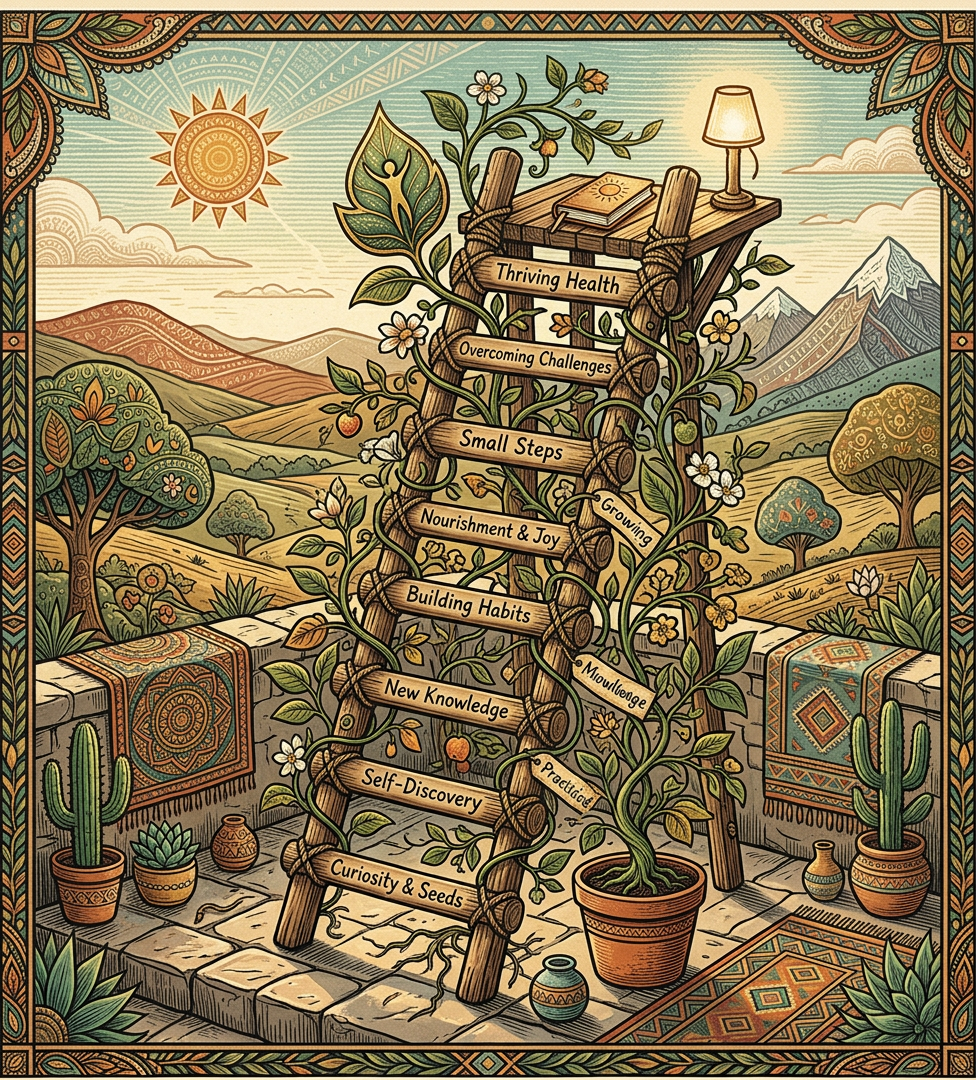
The Strategy: You don’t have to do everything at once. This is a one-step-at-a-time process. By knowing the difference between a small goal and a big dream, you can stay focused without feeling like you have to go “hog wild” to see progress.
What are your goals? Write them down!
What is the big picture for you?
What changes will you need to make in each of the 3 areas of your life?
Assessment: Finding Your “Why” and Navigating Obstacles
“Identify the imbalance and acknowledge the barriers.”
Before you can change, you must be honest about where you are. This journey is for anyone who feels the friction between work and life but doesn’t know where to start.
- Identify Your Why: Why do you want to change? Is it for your family, your health, or your peace of mind?
- Acknowledge the Obstacles: We all face limitations in time, money, and space. My role isn’t to give you “expert” advice, but to share my research and experiences in future articles.
- The Toolkit: * Get a Notebook: If you are serious about change, write it down.
- Build a System: Whether it involves the whole family or finding a support system as a single person, you don’t have to do this alone.
- Customization: This is not a “one size fits all” set of instructions. Assess what fits your schedule and your family and be willing to pivot when you “know better.”
What is your why for each change you list?
Why are these changes important?
What are your limitations or obstacles?
How would you overcome them?
What tools do you need?
Final Thought: Let’s face these changes together. I am not an expert—I am someone who has been a warrior and a caretaker, someone who researches, tries, learns, and grows. Let’s start the conversation.
Stay Inspired!
“For we are God’s handiwork, created in Christ Jesus to do good works, which God prepared in advance for us to do.” — Ephesians 2:10
Related Posts
Sign up with your email for our monthly newsletter with great information and resources to help make your lives a little easier.